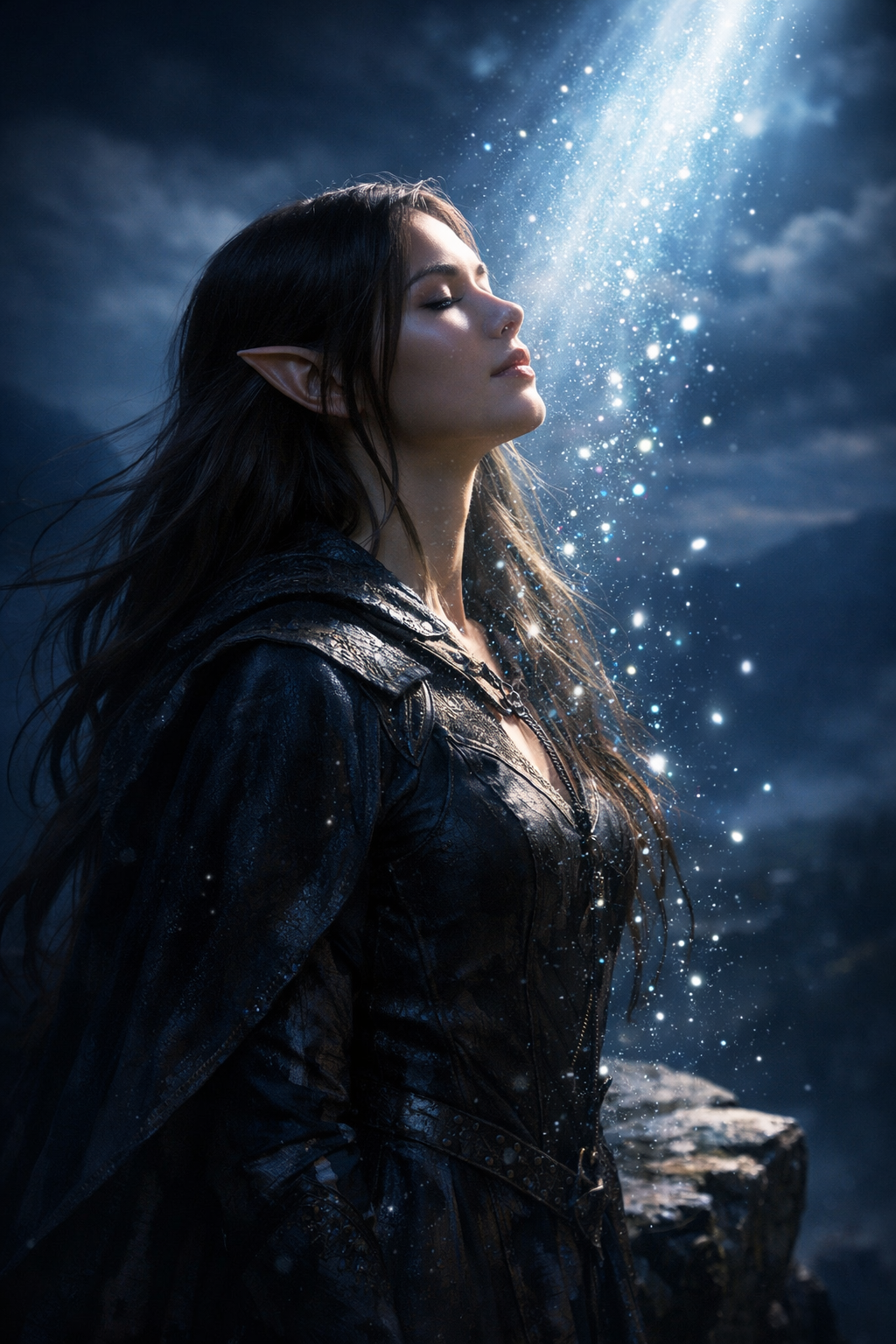
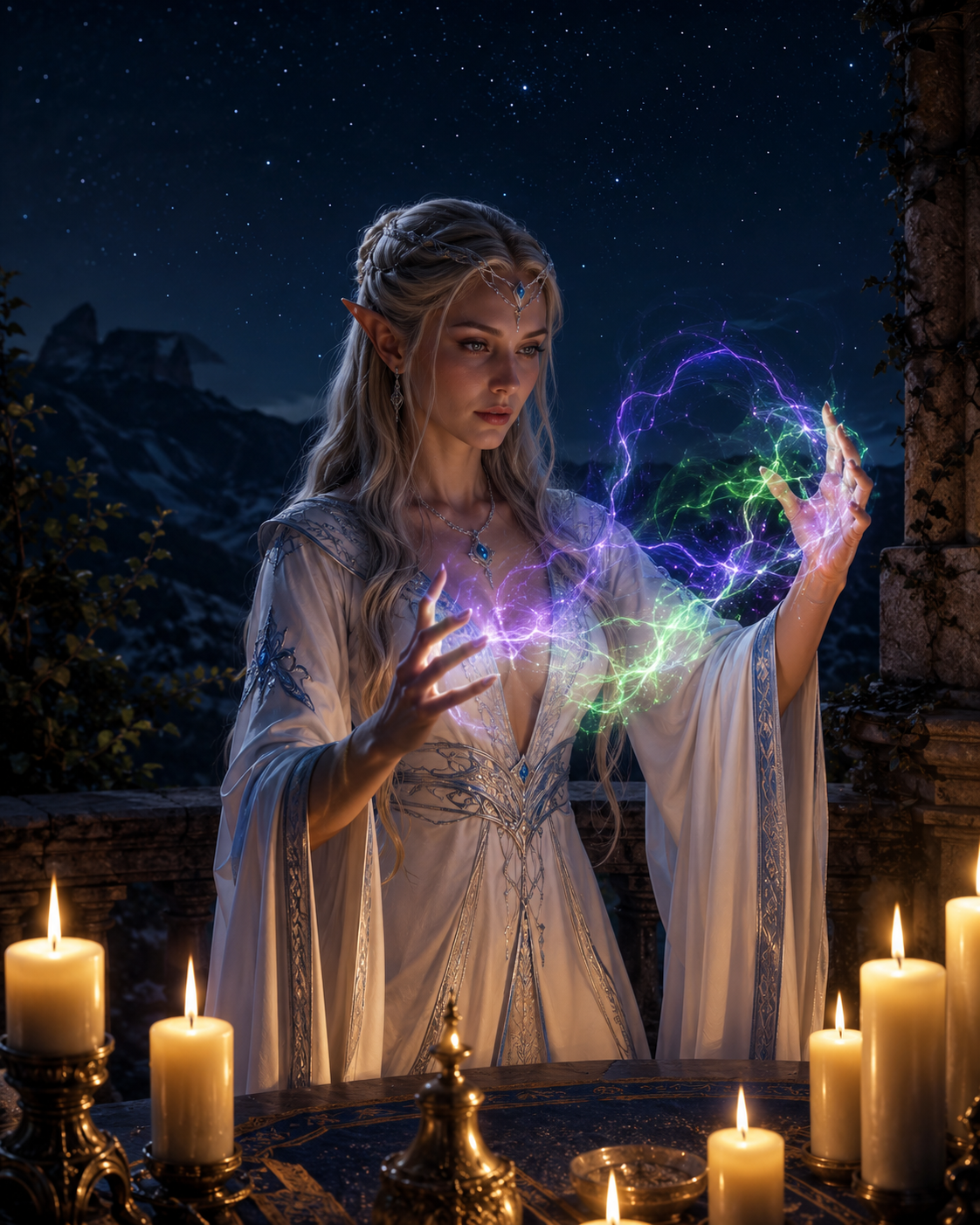
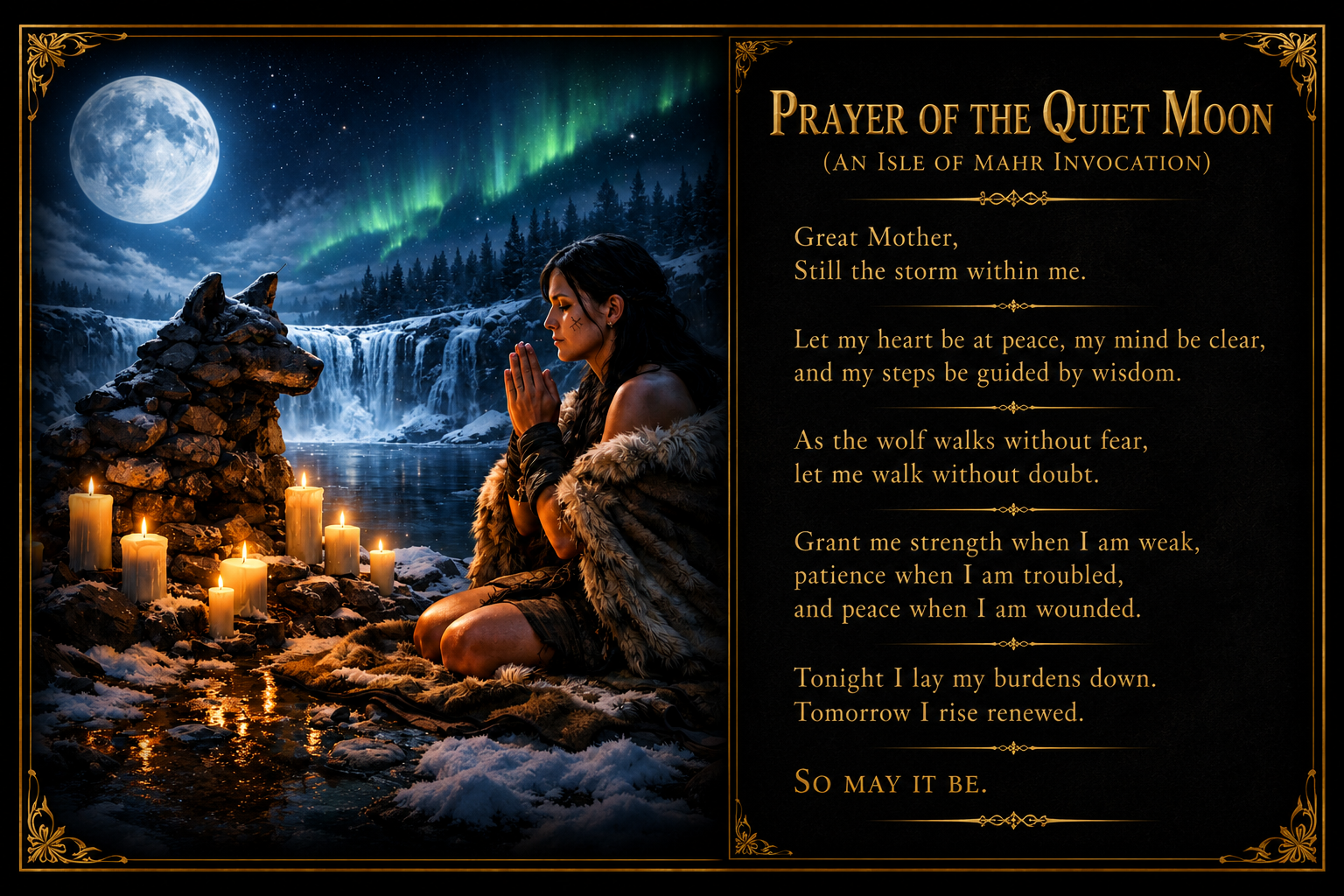



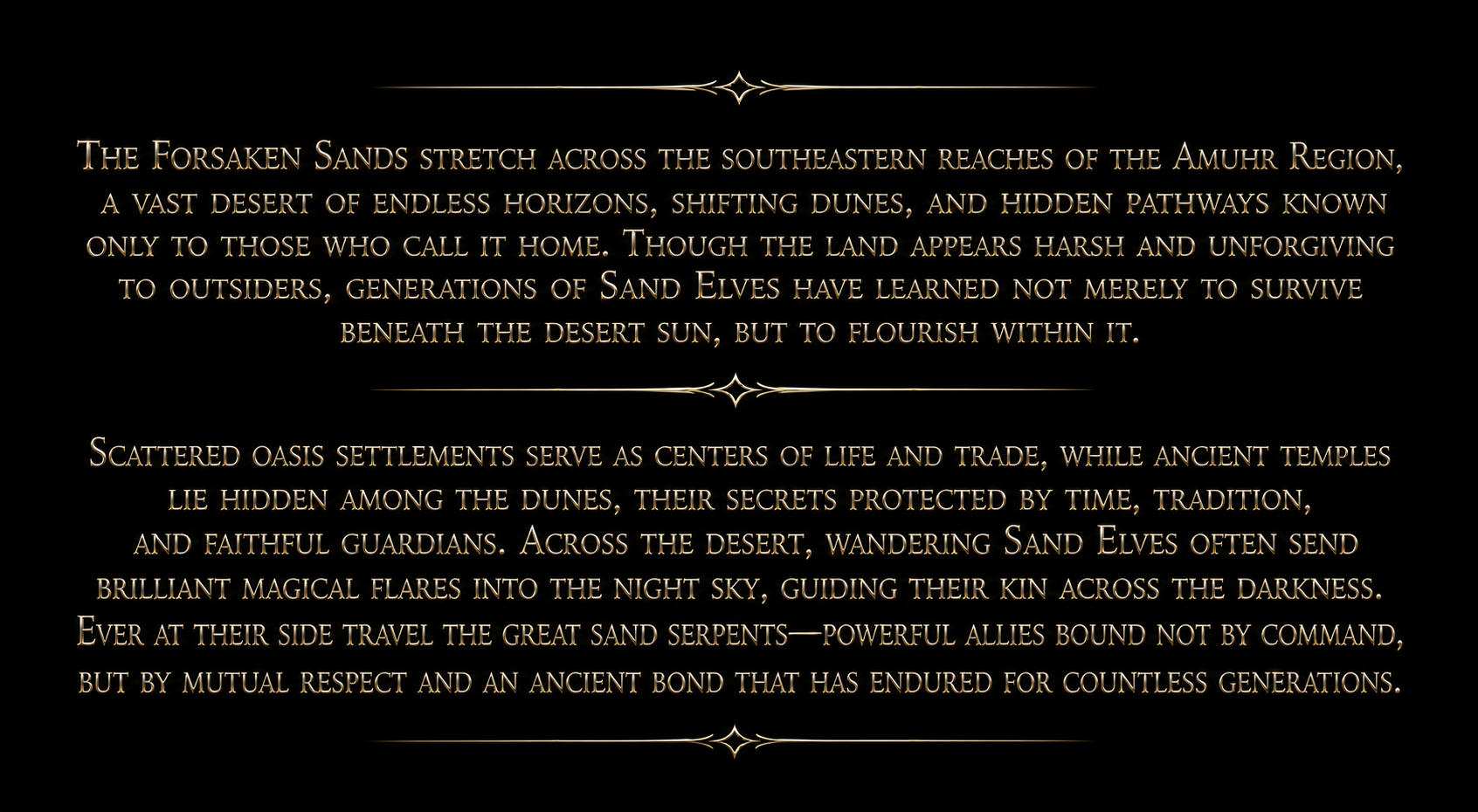
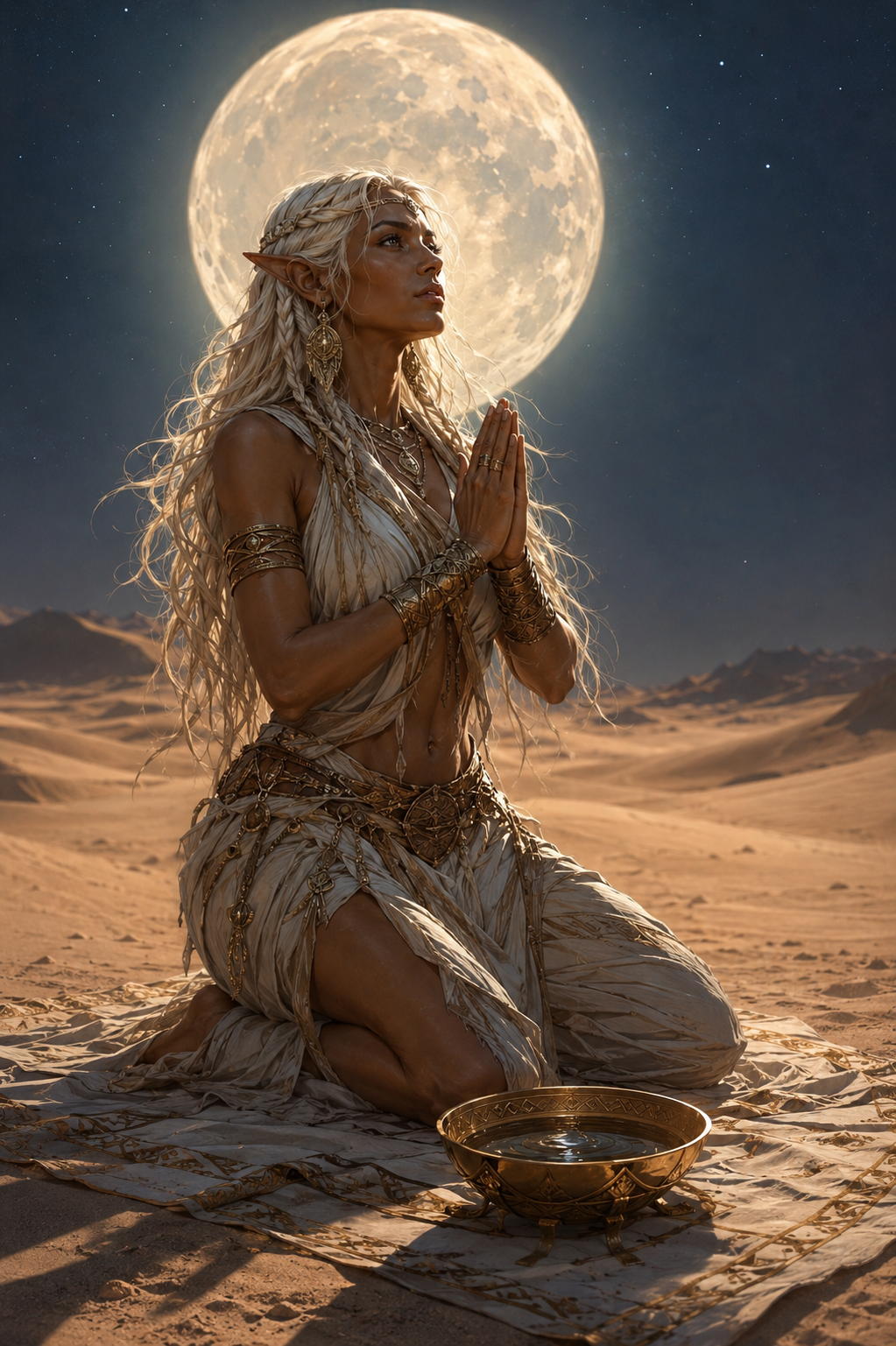
Faith and music are both important to the people of The Forsaken Sands. Prayer for strength and gratitude for living, and music to supplement the harmony of heart and spirit. During prayer, water is often offered to their goddess.
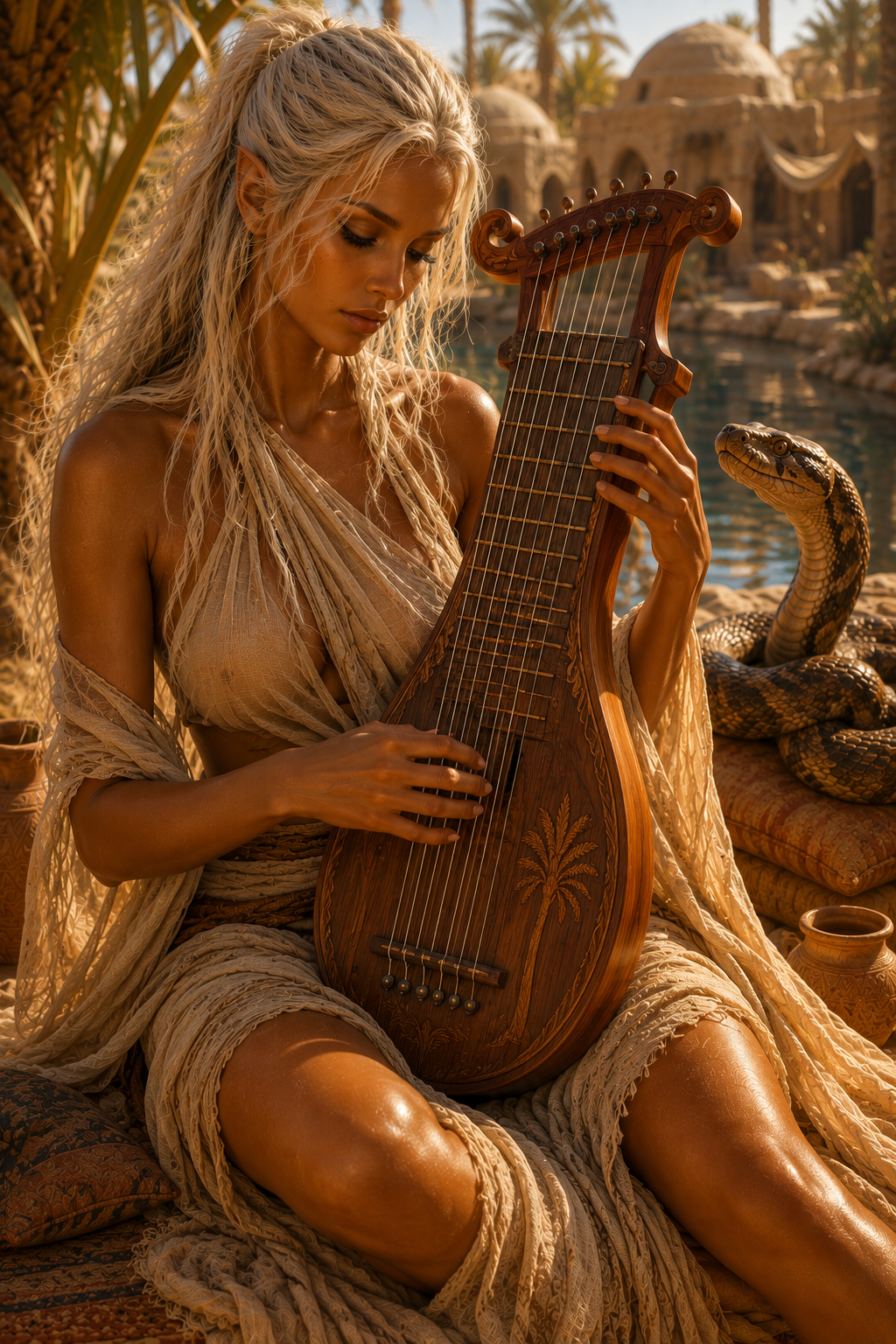
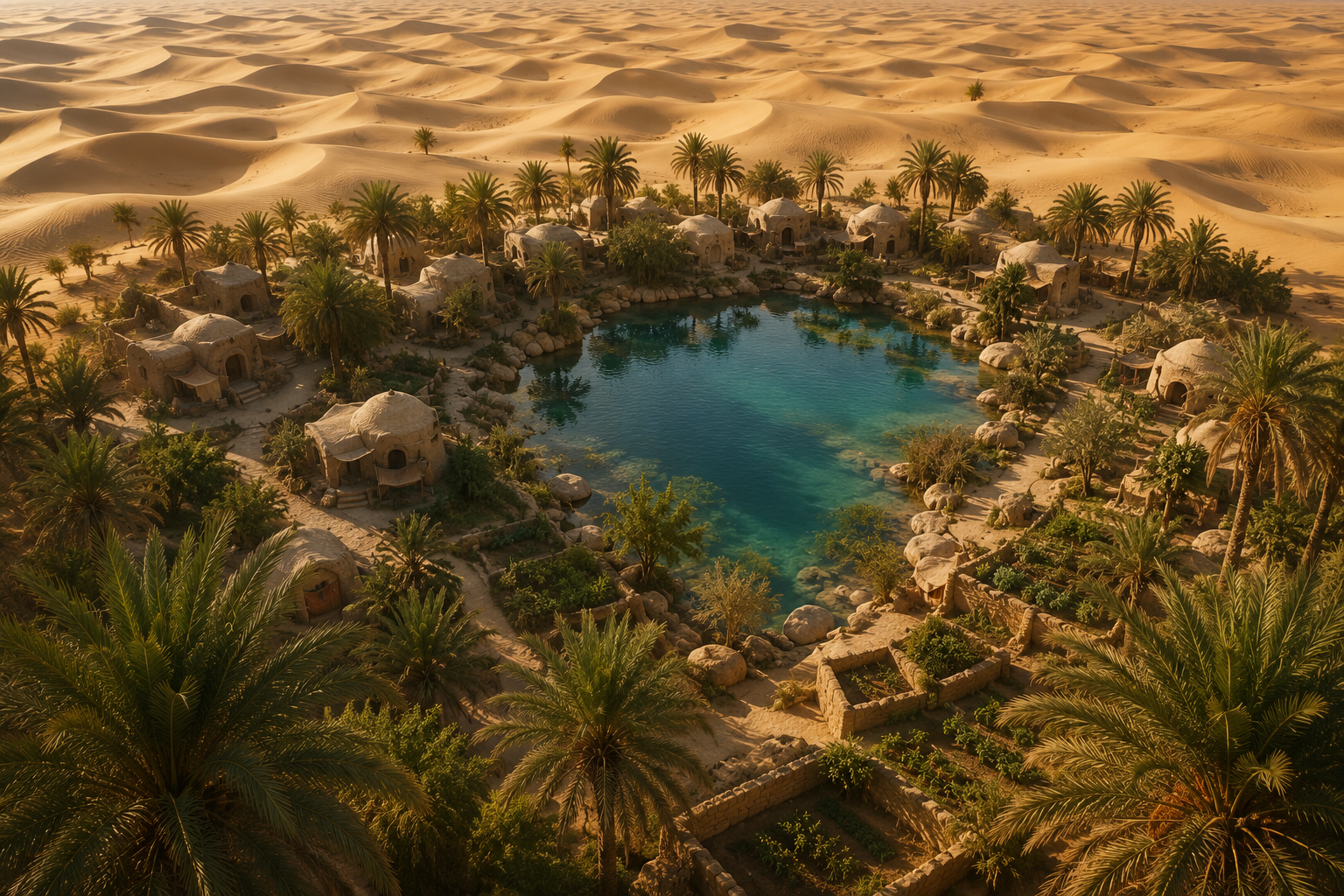
This is a typical oasis that is home to the sand elves. Water is the center of the village and the buildings provide shelter for elf and serpent alike.
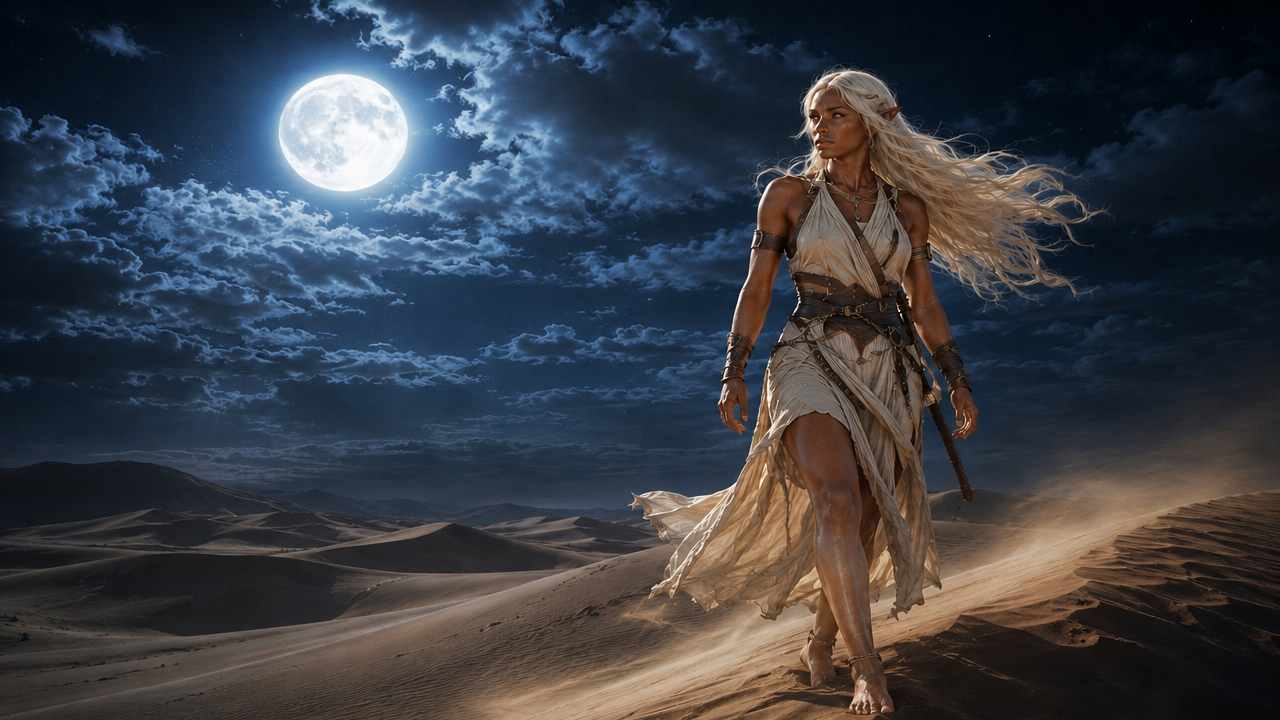
Queen Va'a
of the Forsaken Sands
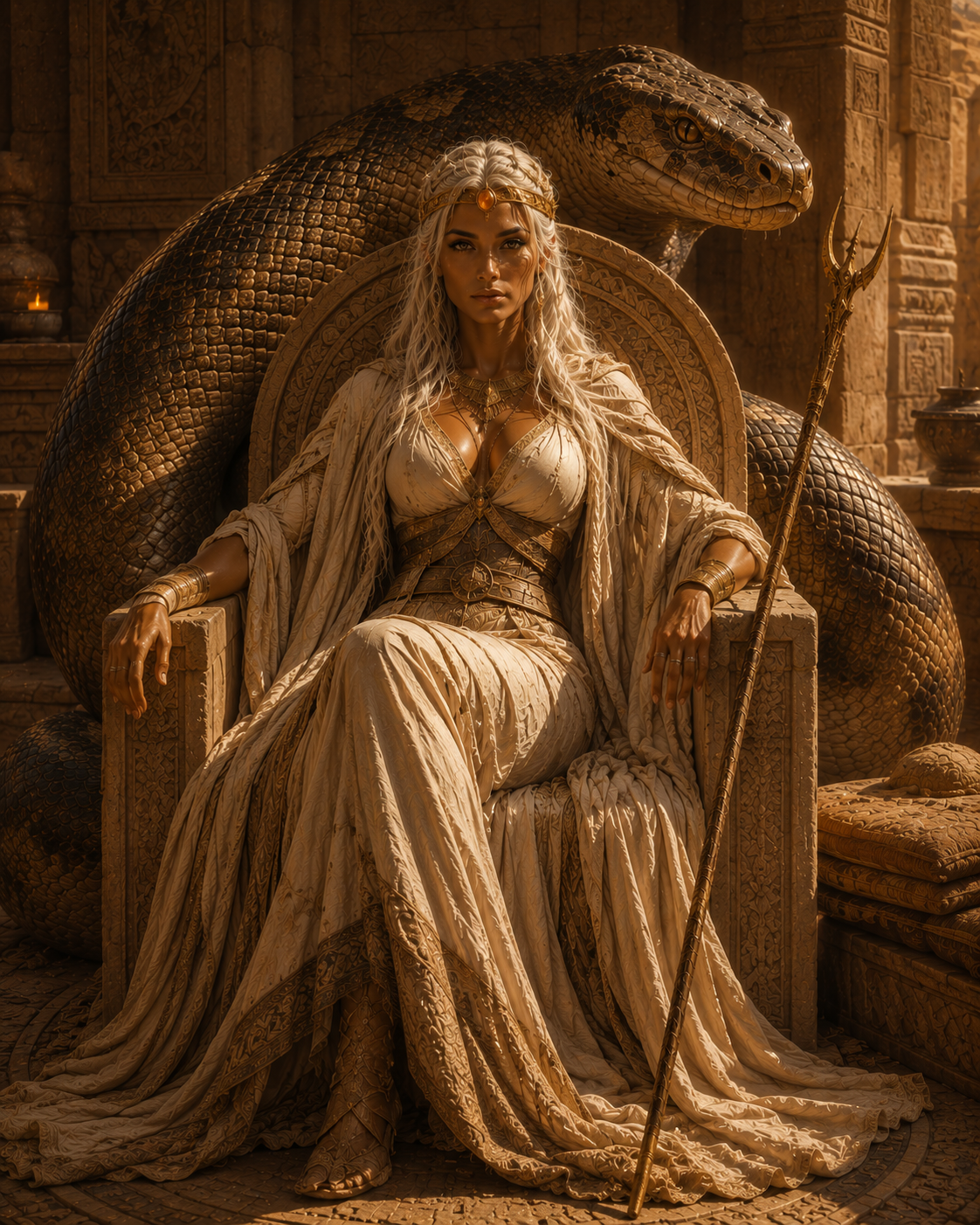
Some call her the Benevolent Queen. Others call her the Voice of the Sands. Among her people, she is simply Va'a.A warrior, a mage, and a ruler, Queen Va'a has guided the people of the Forsaken Sands through drought, hardship, and conflict. Though it is said that the sands themselves bend to her will, she has never sought power for its own sake. Every decision she makes is measured against a single question:"Will this serve my people?"Under her rule, the Forsaken Sands have become a place where life endures against impossible odds, proving that even in the harshest desert, compassion can flourish.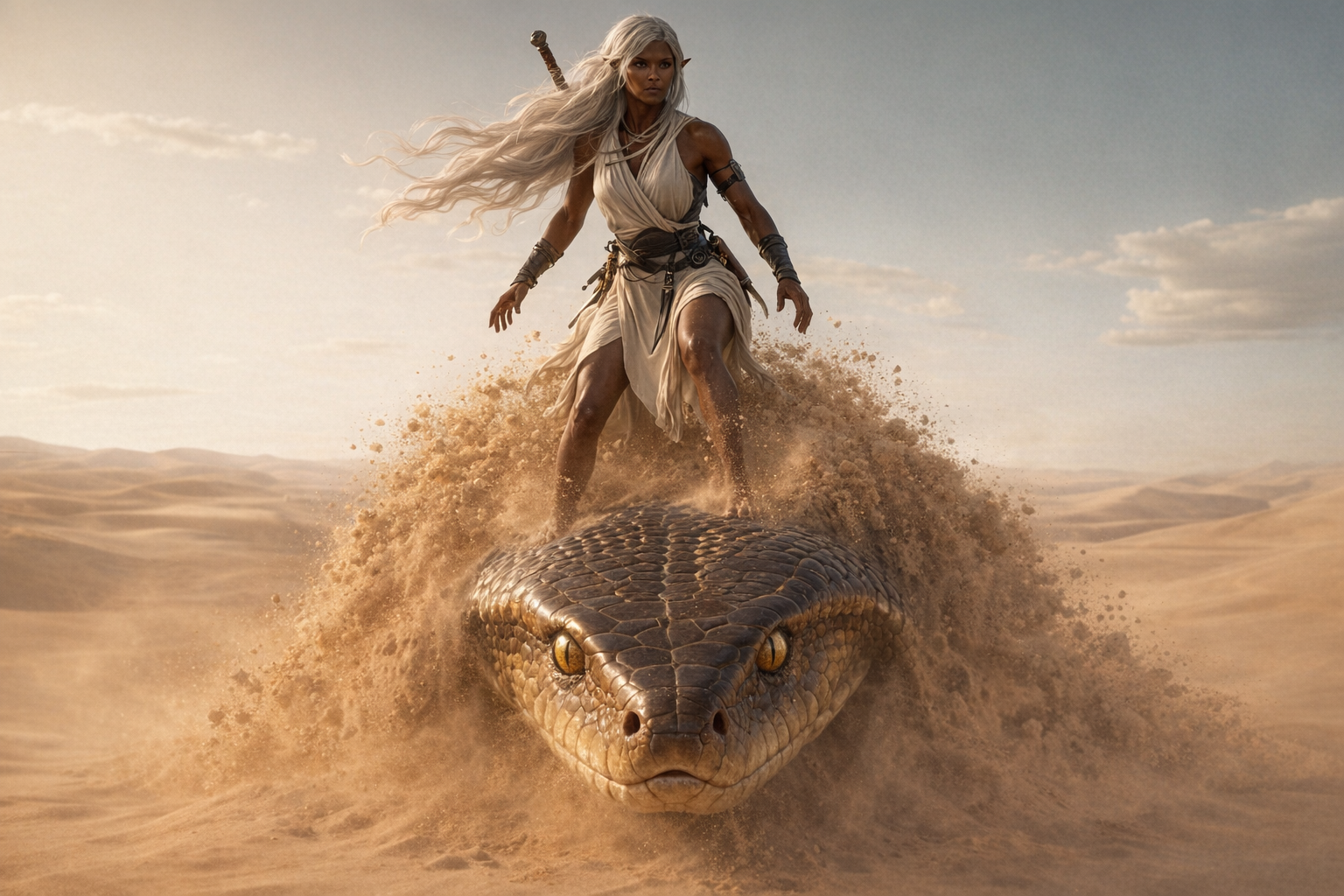
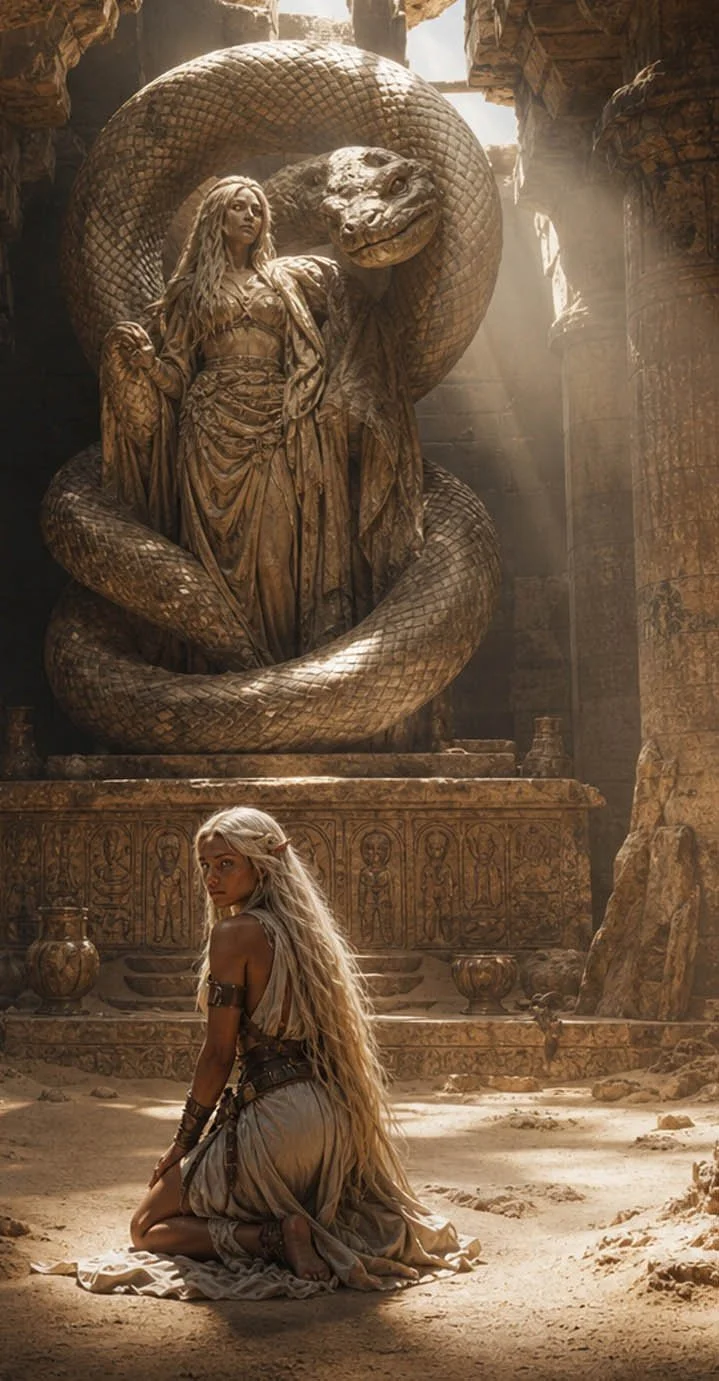
The sand elves, also known as the Saan’haru, ride the desert oceans on their great serpents and consider it a sacred duty to watch over and protect the runic temples half-buried in the sands.
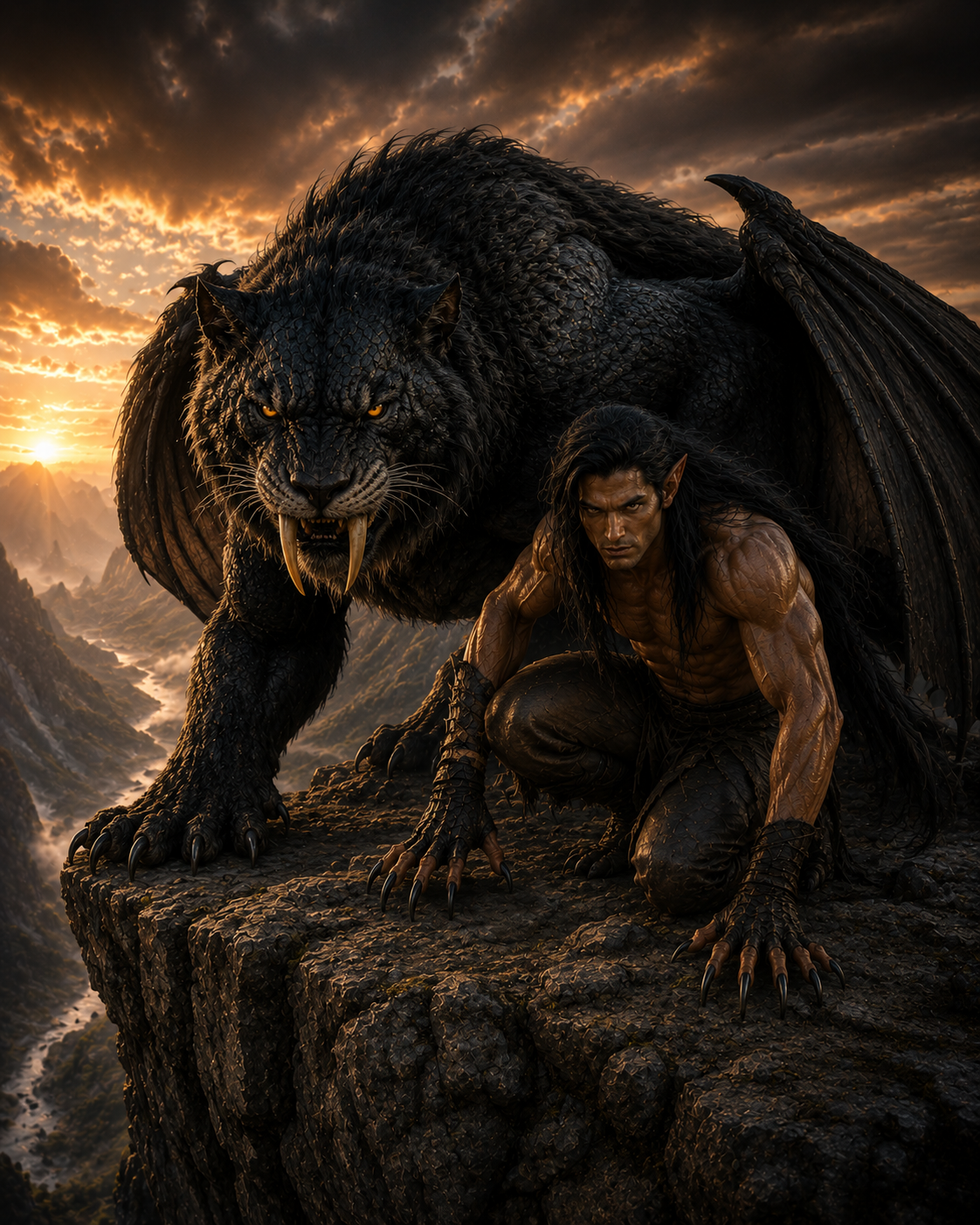
The Namiir are one of the more interesting races of Telan’Shaara. The males are built for gliding and scaling sheer rock faces with their clawed hands, while the females are built for flight. The Velkrynn, a large dragon-cat species is an ally to the Namiir. They raise their families in caves carved into the rock faces, often with landing ledges in front. Occasionally, one of the female Namiir may be called before the council, told they have been chosen to become kya’Namiir, the armored, arcane warriors of the realm.
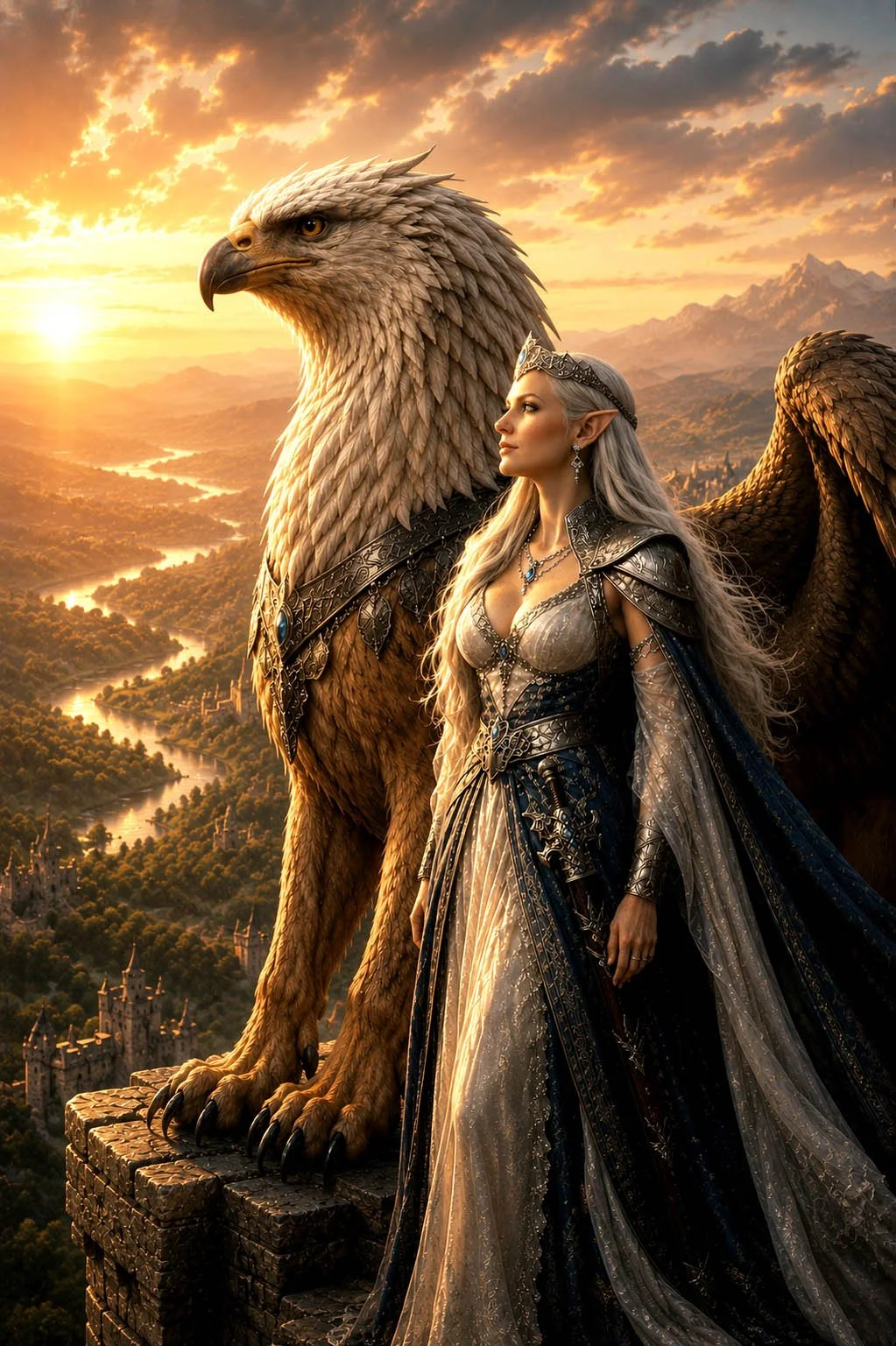
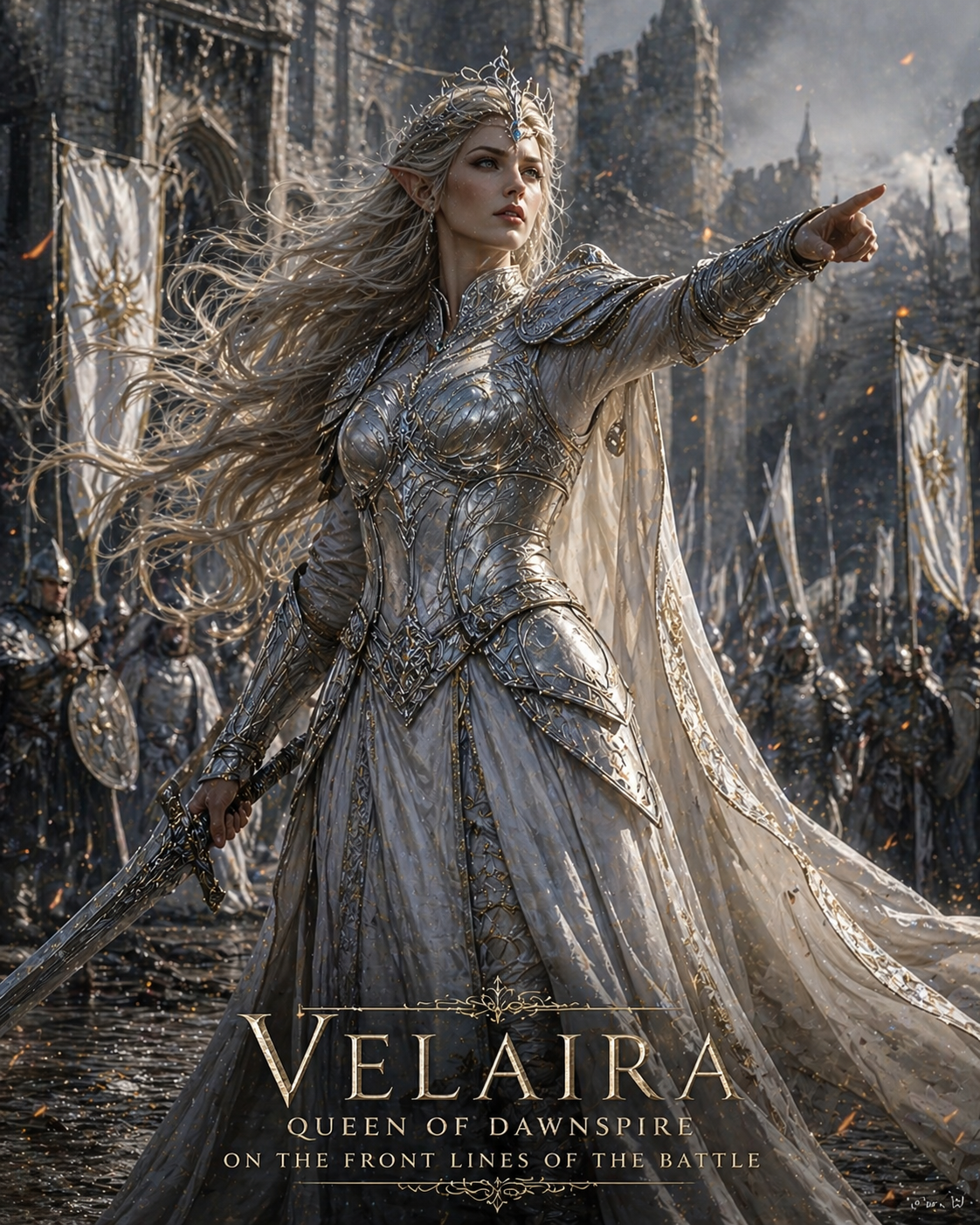
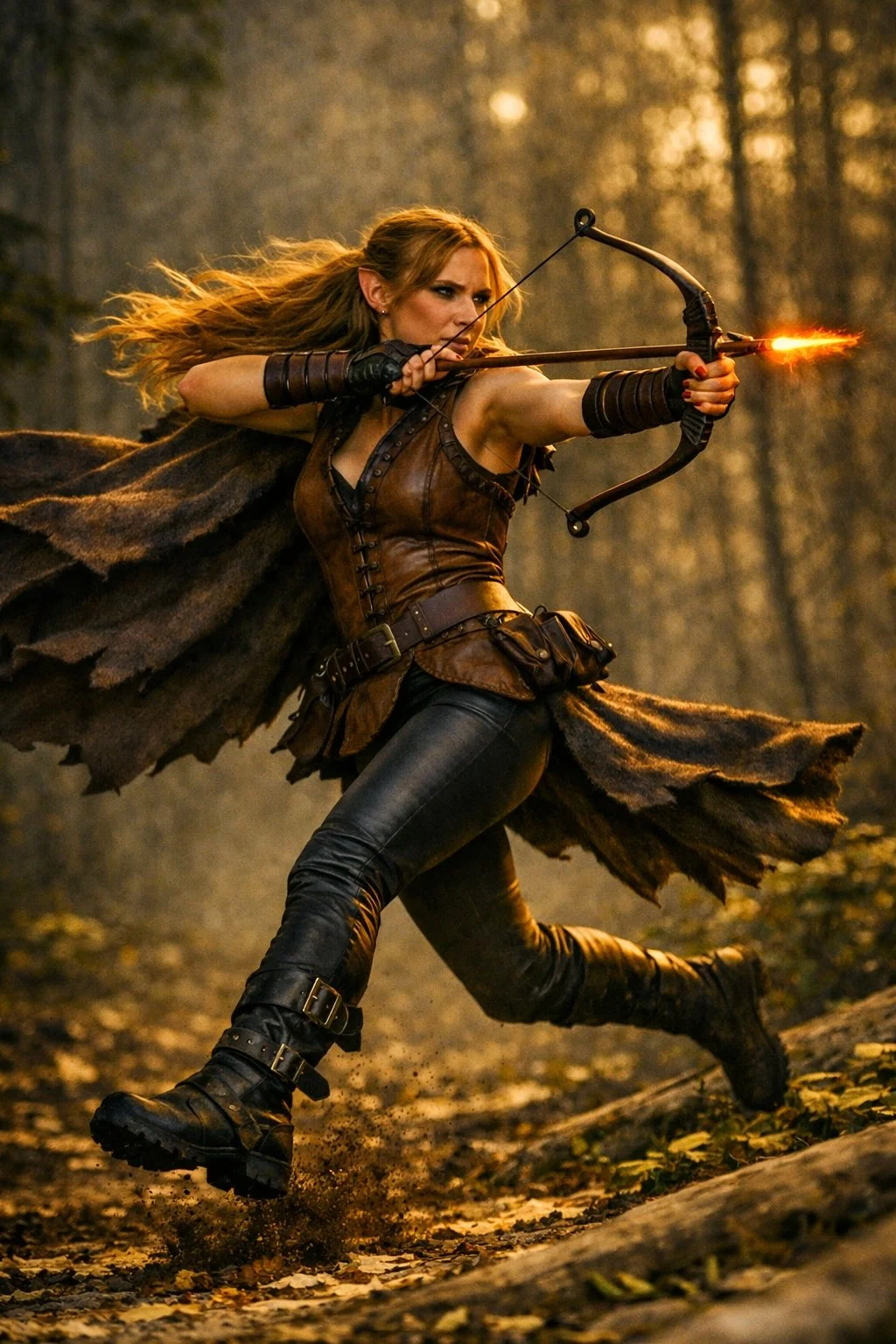
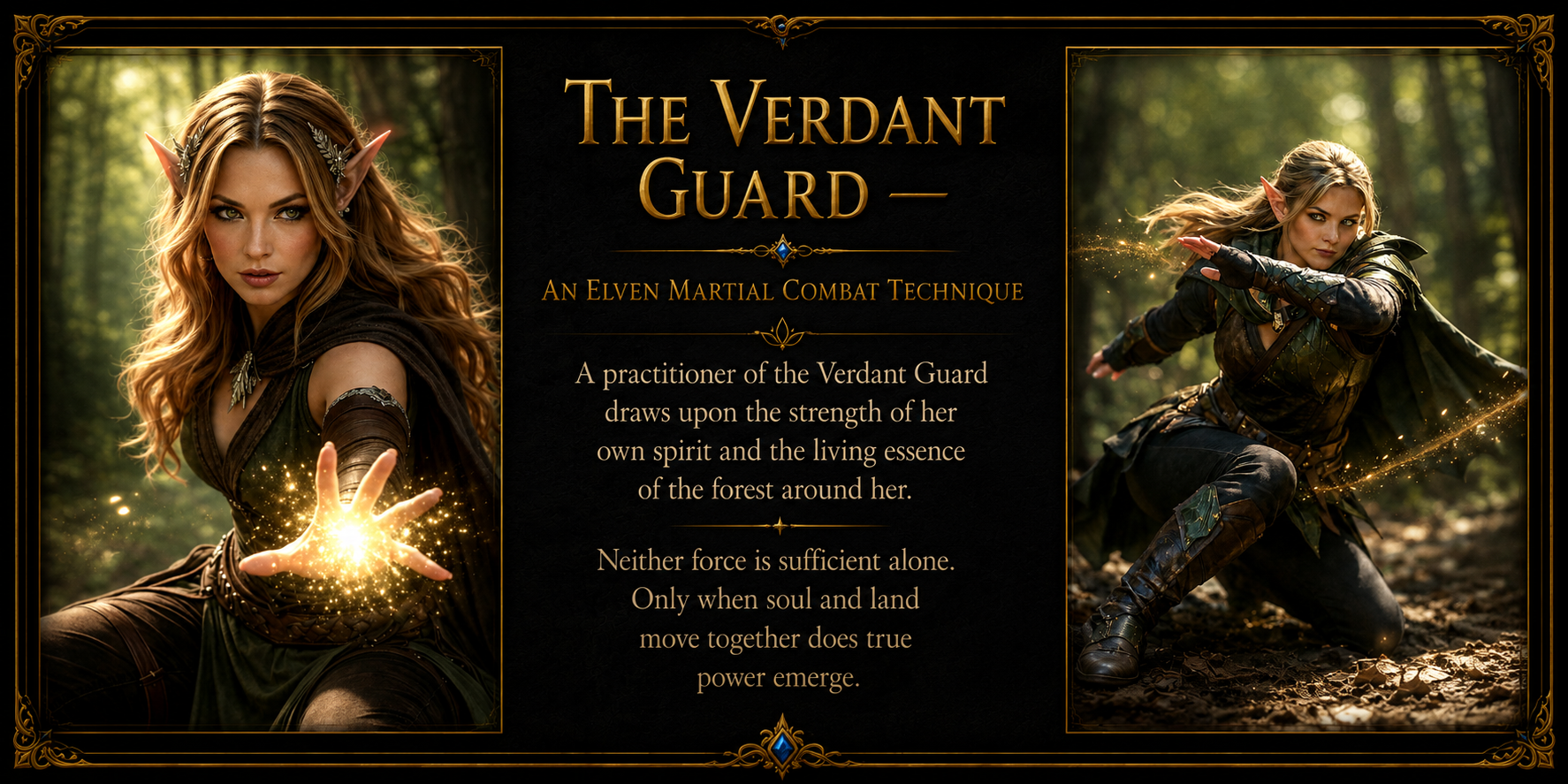
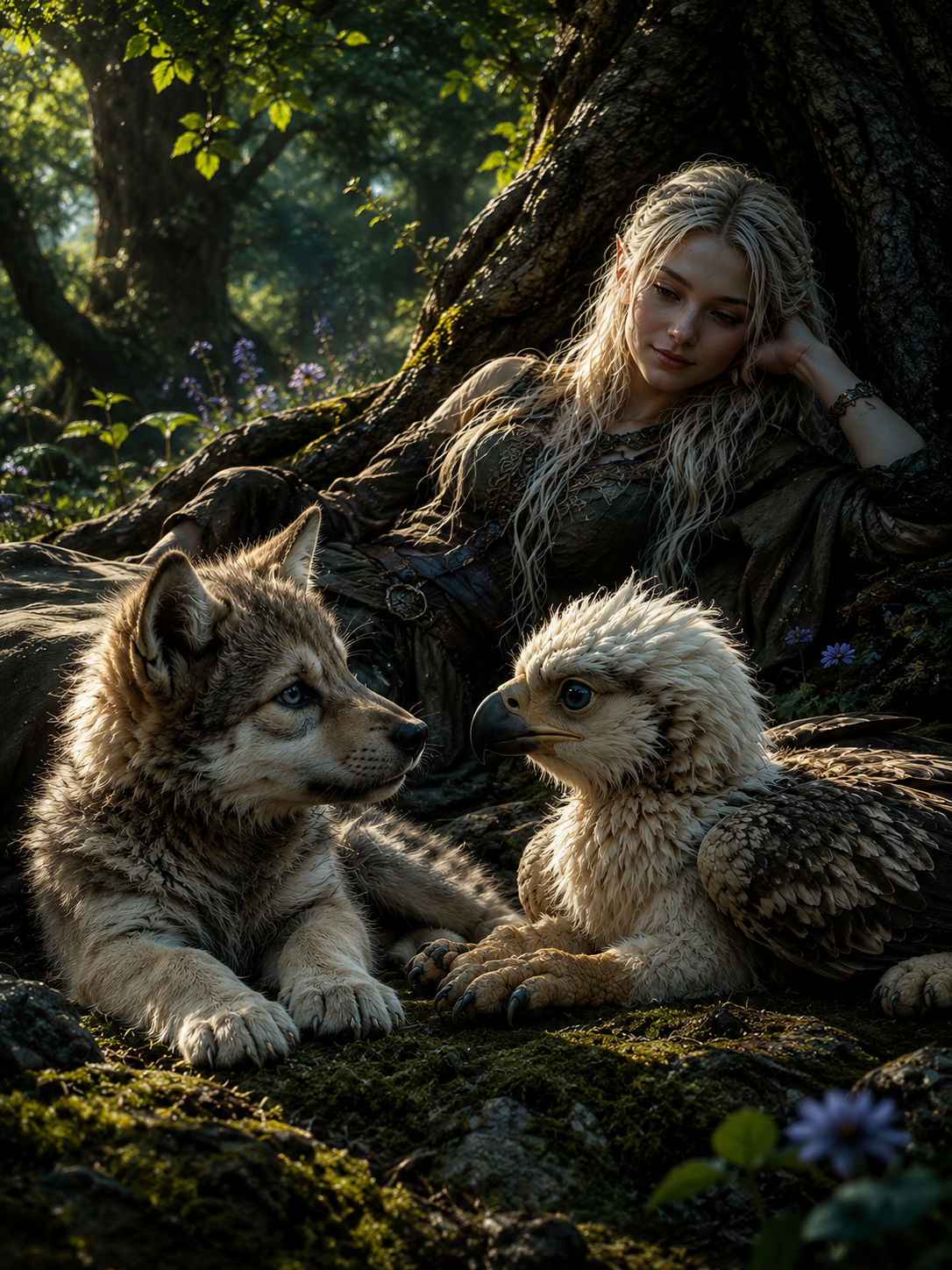
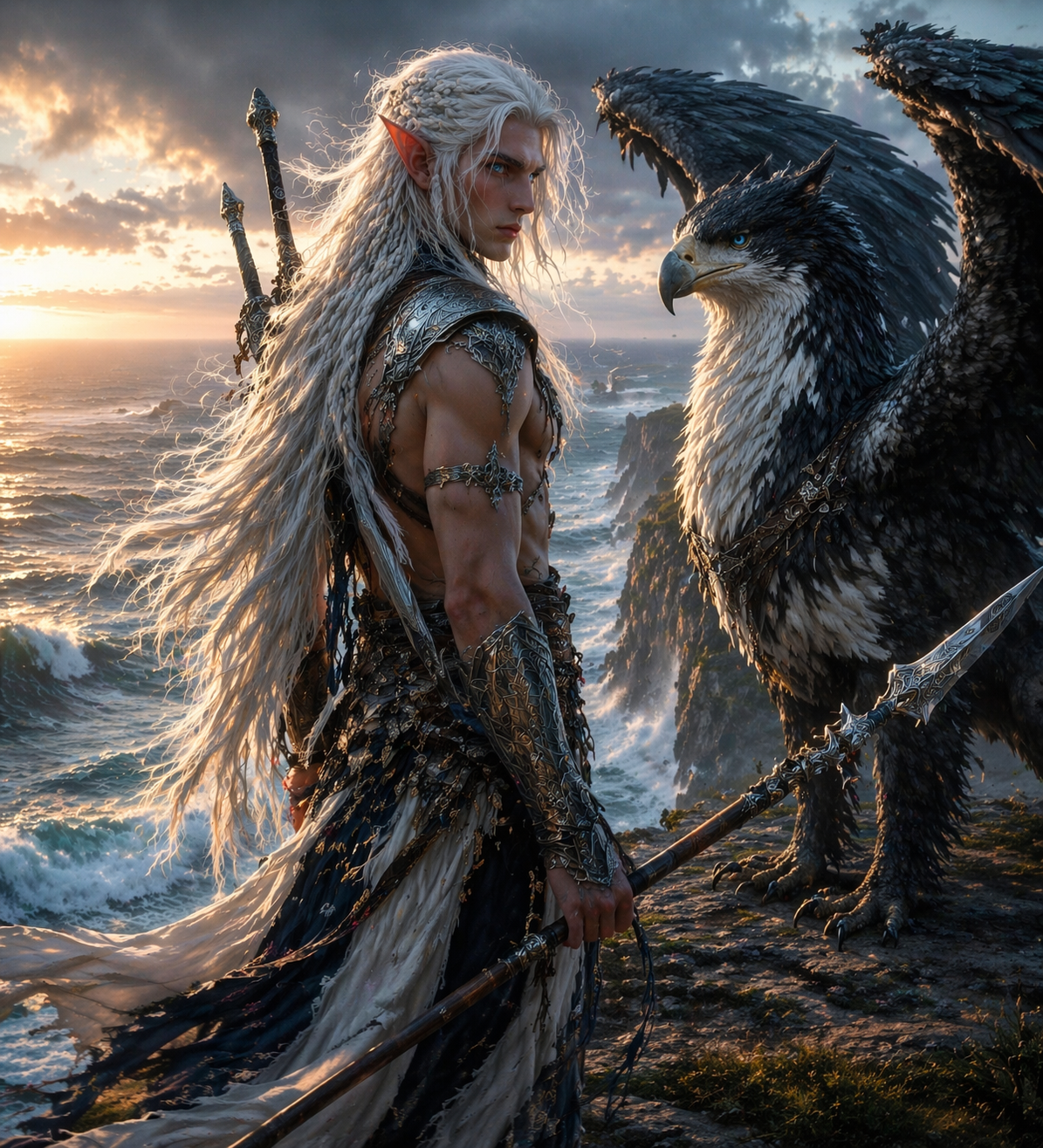
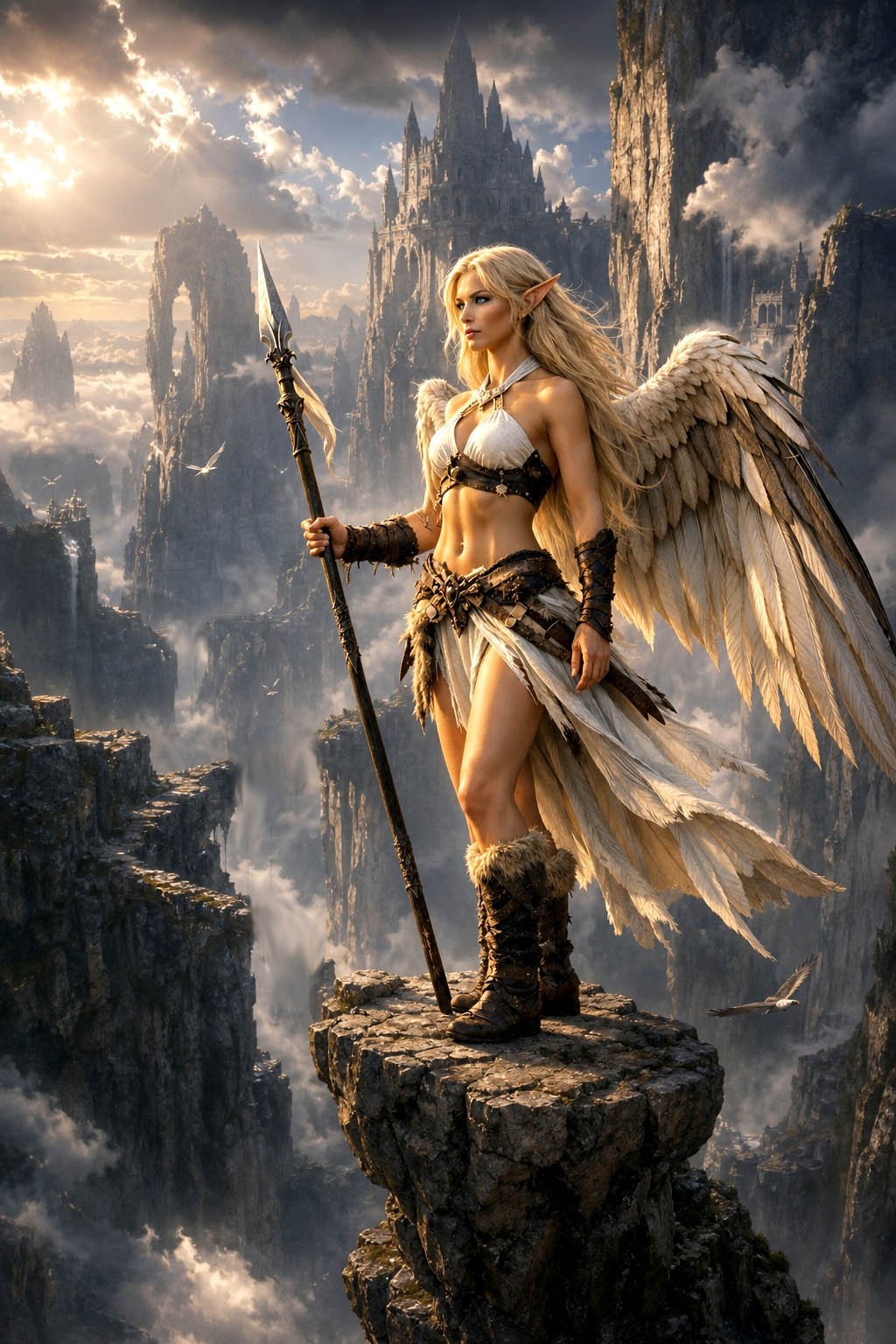
The elven cultures are often seen with their griffon companions. They are skilled warriors, have traditions different from their neighbors in the Amuhr Region, and are staunch defenders of the coastal villages.
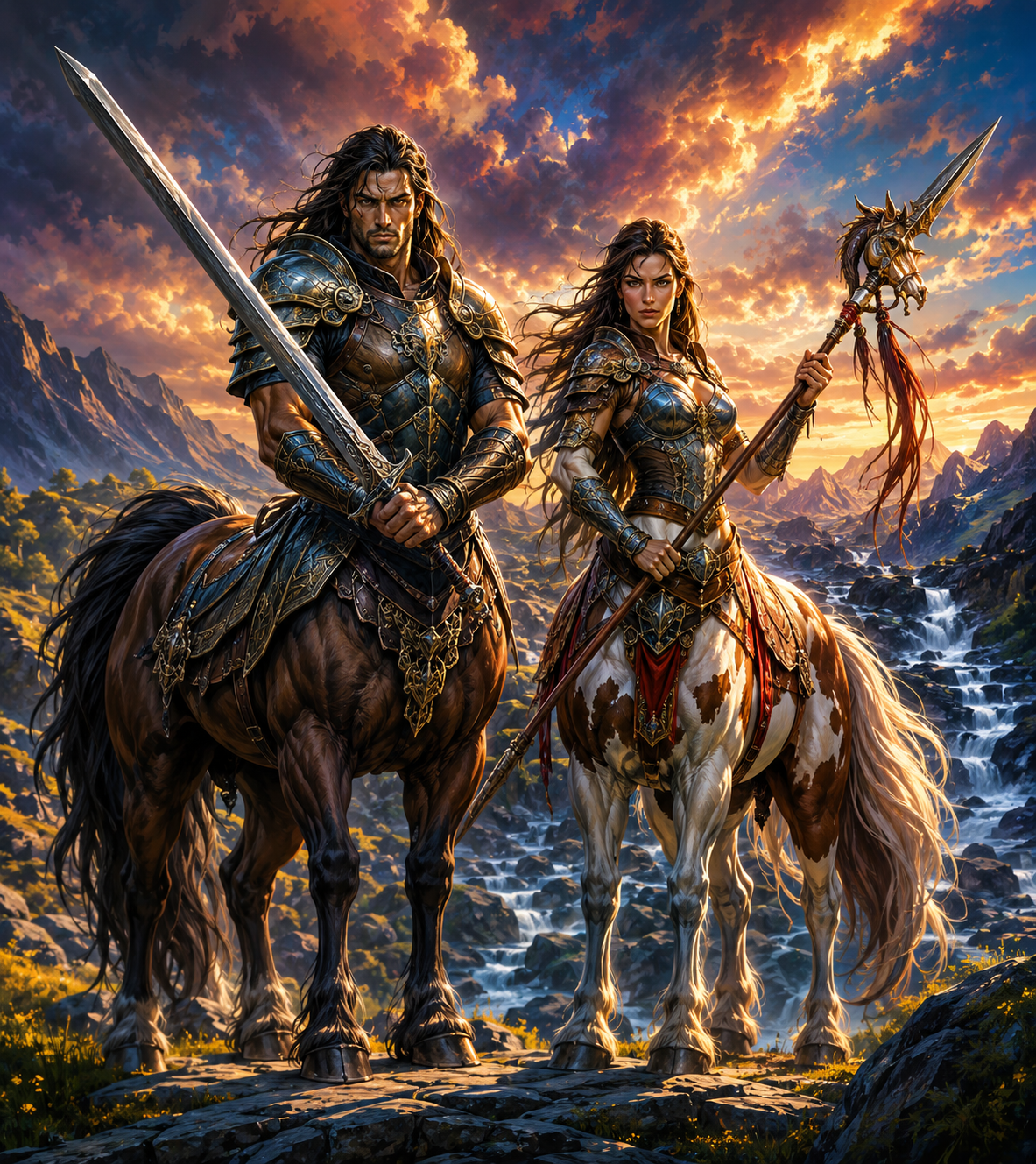
The centaur nation is more reclusive than the other races of the Northern Viere, but they have been known to defend the tribes and creatures of the land. A noble race, they adhere to concepts that embrace honor, respect and justice.
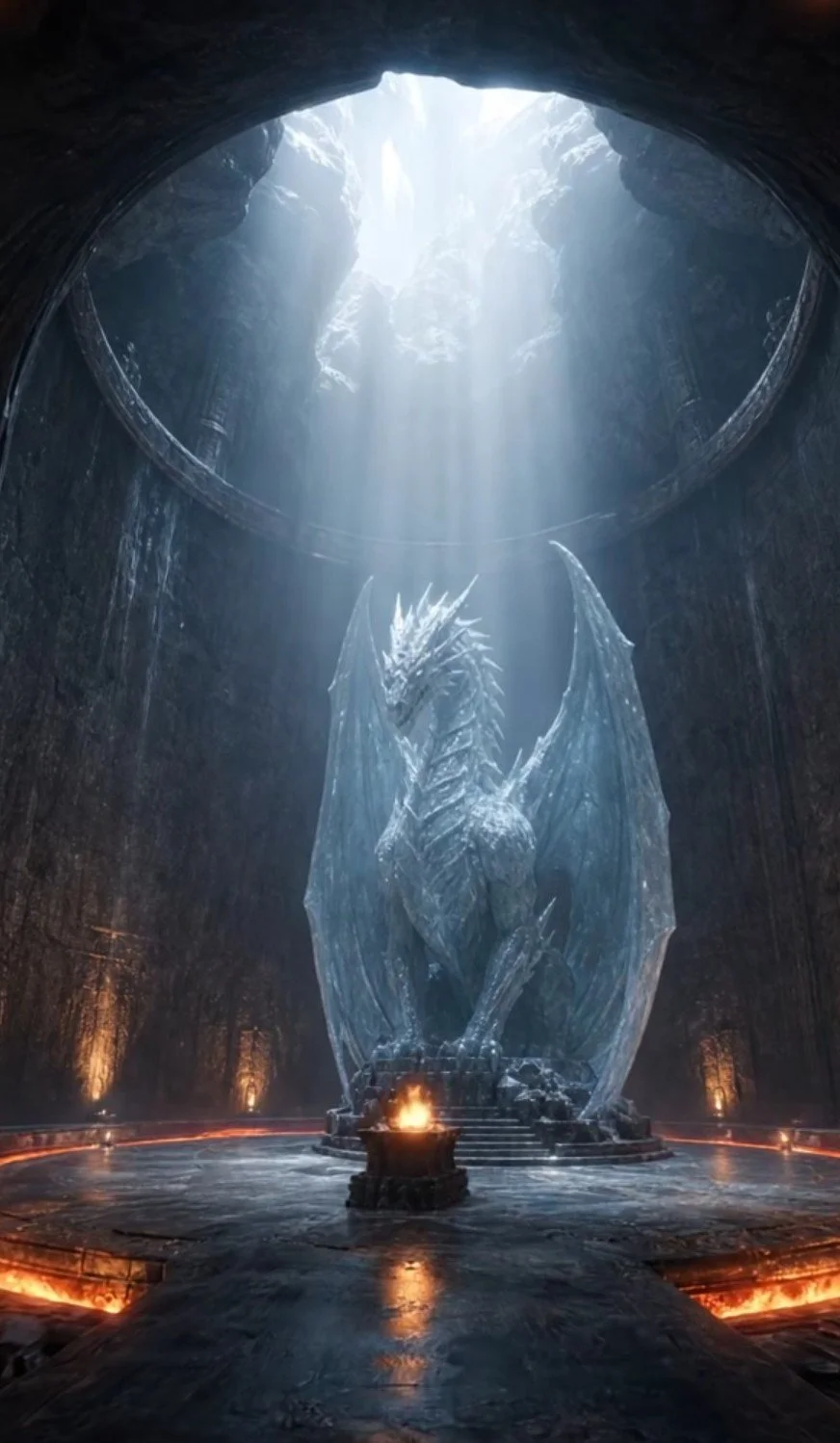
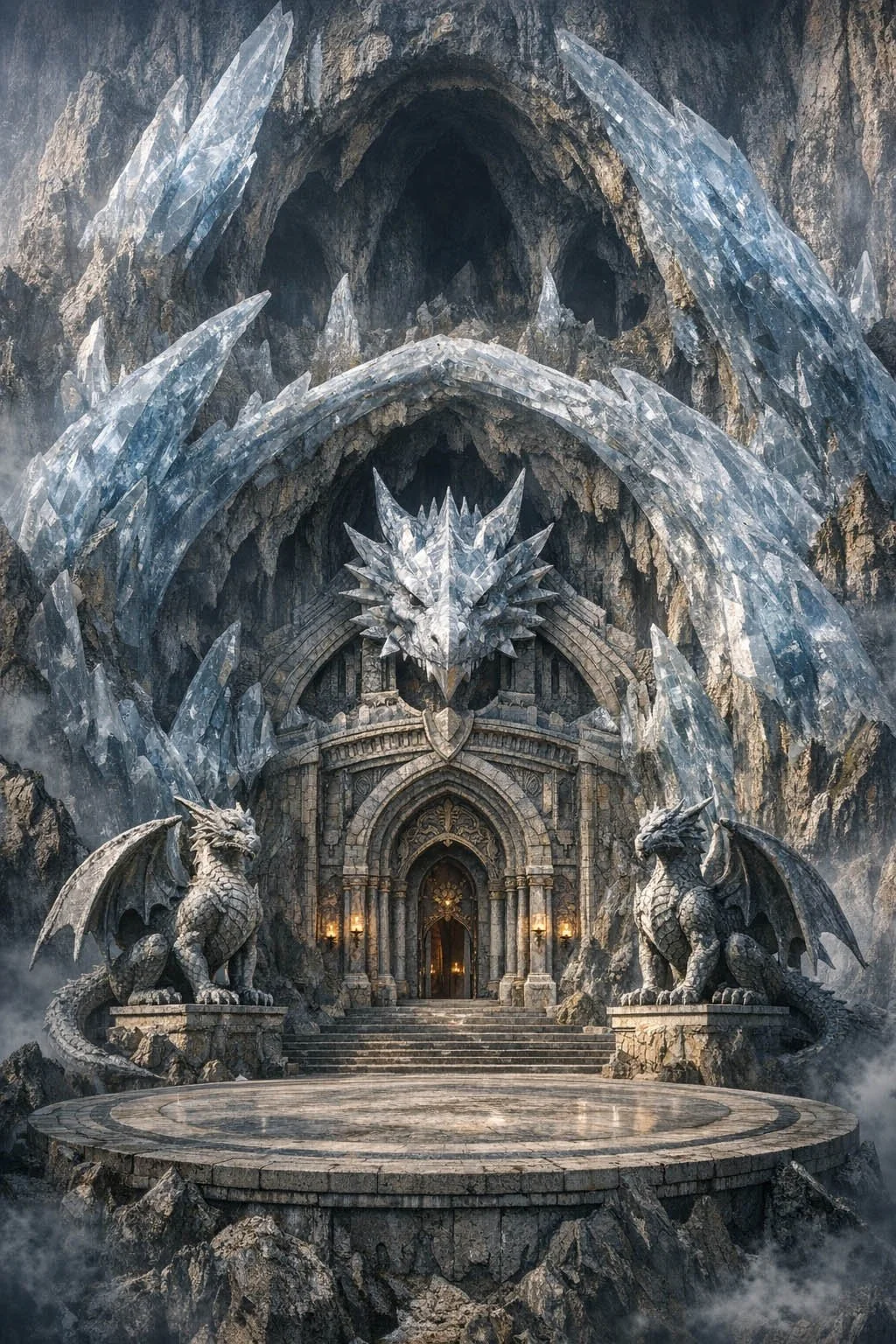
The Temple of Mnahrakesh pays tribute to the First Dragon, and is considered the holiest of places in all of Highmorne.
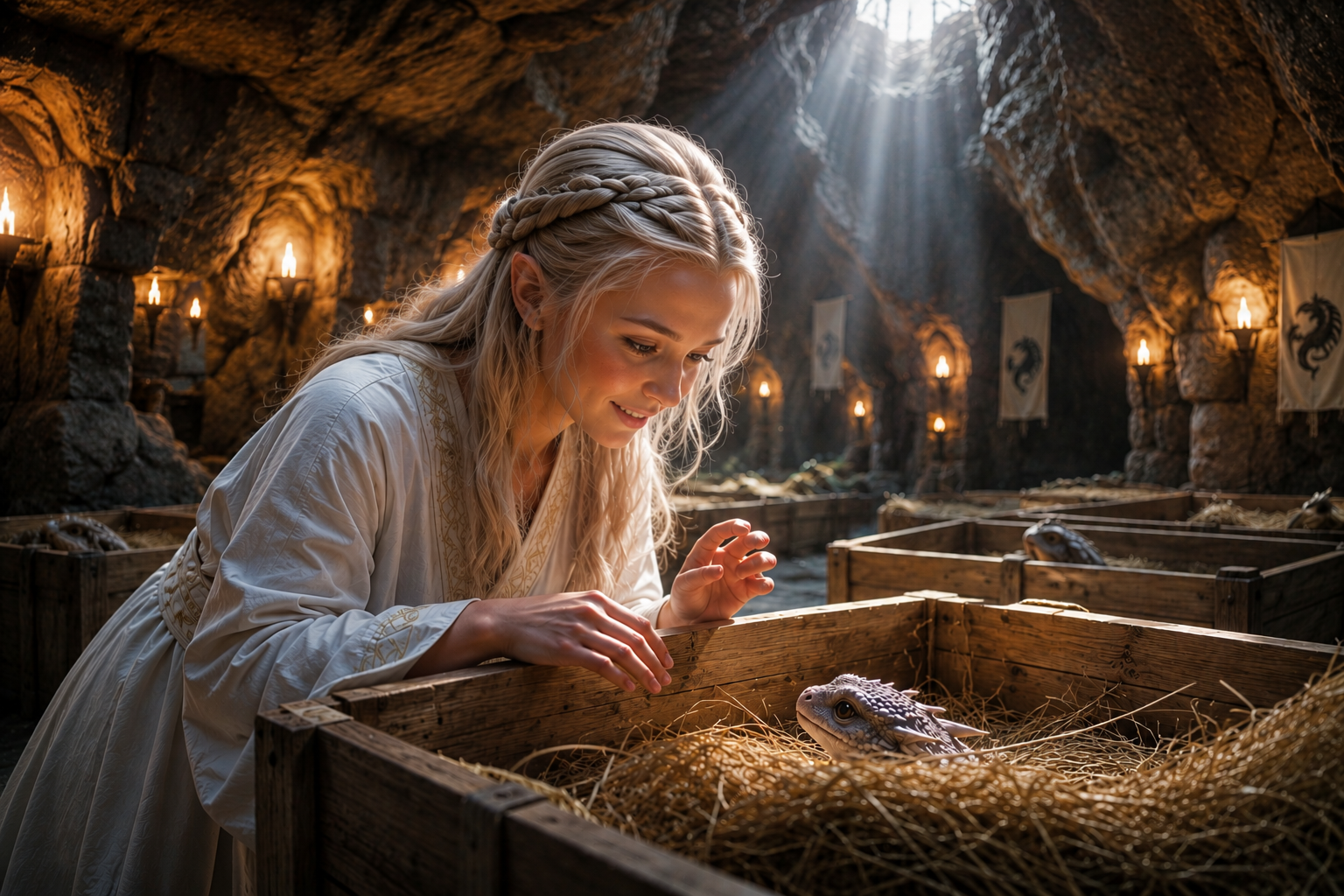
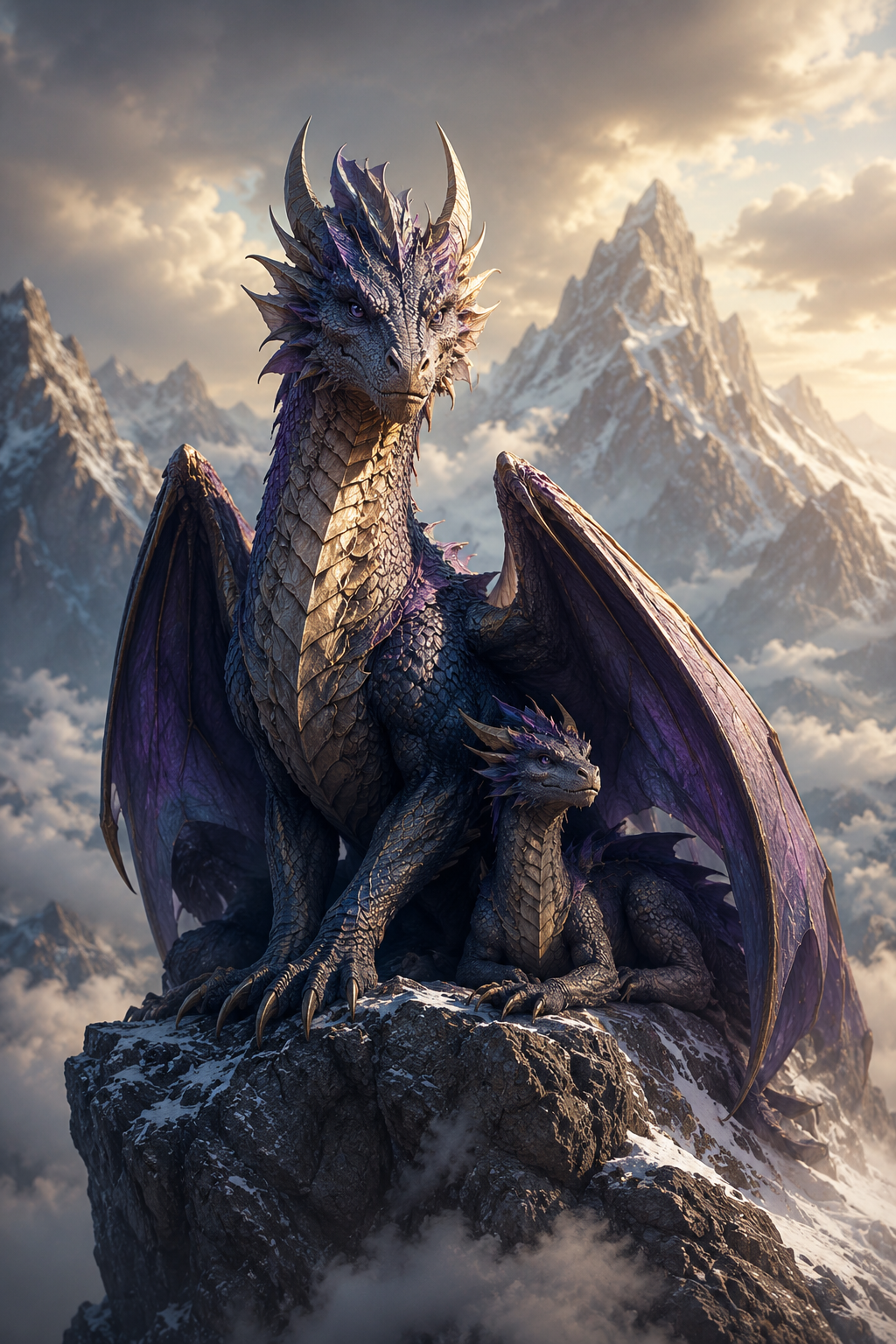
The nursery is considered the heart and soul of the Upper Spine of Highmorne. Baby dragons are welcomed into the world by elves, known as the Caretakers. These elves are considered highborn, and they are the only ones deemed worthy by the Caretaker Supreme to care for the hatchlings.
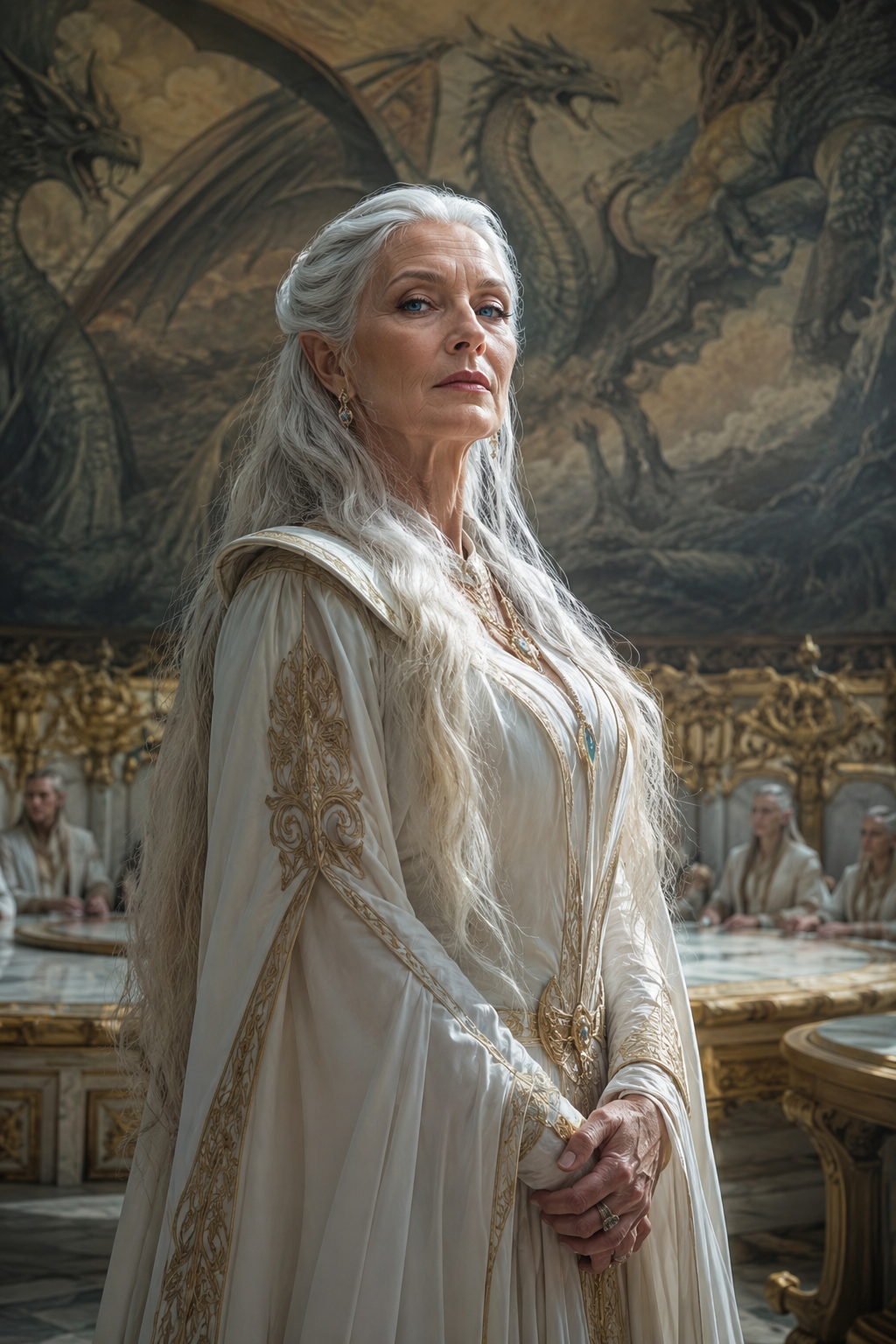
E'saira
Caretaker Supreme of Highmorne
Known formally as the Caretaker Supreme and often referred to as the First Voice of Highmorne, E'saira serves as the highest authority within the mountain realm. Unlike the kingdoms and regions found elsewhere throughout Telan'Shaara, Highmorne possesses no queen, king, or noble ruling class. Instead, leadership rests in the hands of the Caretaker Supreme, whose word guides both the Caretakers and the institutions that oversee the dragons of the Upper Spine.
Raised from an early age to assume the position, E'saira devoted her life to the study of history, tradition, governance, and dragon lore. While she has spent little time directly caring for dragons within the nurseries themselves, she is regarded as the guardian of centuries of accumulated knowledge and custom. Her responsibilities extend far beyond any single dragon or Caretaker, encompassing the welfare of Highmorne as a whole.
For generations, the authority of the Caretaker Supreme remained largely unquestioned. In a society built upon tradition and duty, E'saira's voice carried the weight of history itself, and her decisions shaped the future of Highmorne.
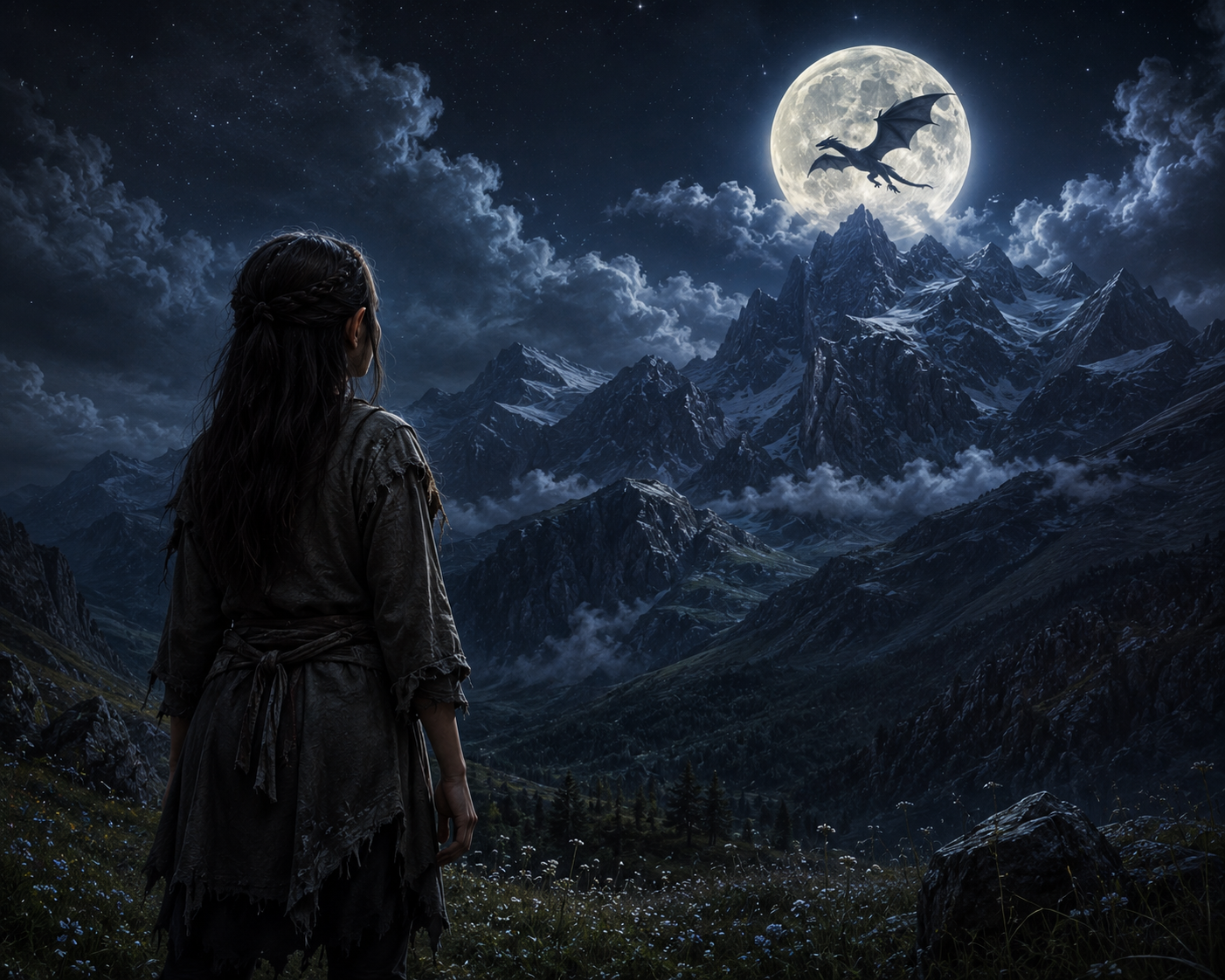
Yet among dragons, another name slowly emerged over the centuries: T'sho Ki Nuur-du — The Woman Who Forgot to Listen. Whether the title was meant as criticism, warning, or simple observation remains a matter of debate among those few who have heard it spoken.